
How Can Plastic Irregular Plate Improve Structural Flexibility in Modern Manufacturing?
Article Summary
Plastic irregular plates are increasingly used across industrial, architectural, and manufacturing sectors due to their structural adaptability, lightweight nature, and design flexibility. Unlike standard plastic sheets, irregular plates are manufactured with customized shapes, thickness variations, and engineered contours to meet complex project requirements. This article explains how plastic irregular plates work, why they solve common material limitations, and how manufacturers can select the right specifications for different applications. It also discusses production considerations, performance advantages, and practical use cases that demonstrate why plastic irregular plates are becoming a preferred material in many modern industries.
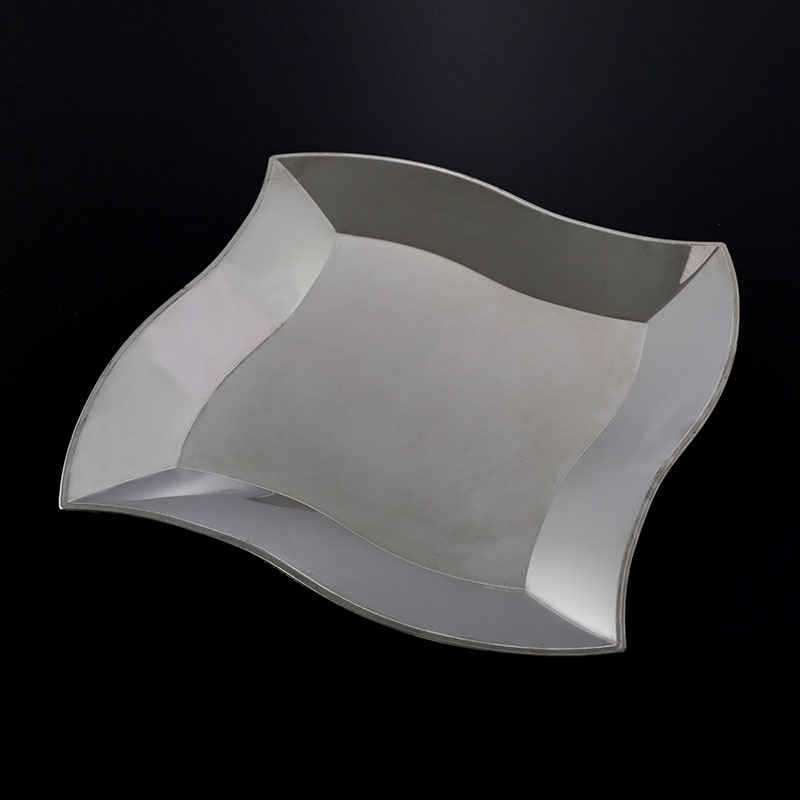
Table of Contents
- Plastic Irregular Plate Overview
- Common Challenges with Traditional Plastic Sheets
- Key Advantages of Plastic Irregular Plates
- Material Options and Performance Characteristics
- How to Select the Right Plastic Irregular Plate
- Manufacturing and Processing Methods
- Typical Product Specifications
- Industrial Applications
- Frequently Asked Questions
- Conclusion and Contact Us
Plastic Irregular Plate Overview
Plastic irregular plates refer to customized plastic sheet components manufactured with non-standard shapes, contours, or structural geometries. These plates are engineered to meet specific functional requirements that cannot be satisfied with conventional flat sheets. Industries often require materials that can adapt to curved surfaces, uneven structural spaces, or mechanical assemblies with unique design constraints.
Unlike traditional plastic panels, irregular plates can be designed with varying thickness, molded edges, or complex outlines. This allows engineers and designers to integrate the material directly into specialized equipment, architectural elements, protective housings, or machine components.
Zhejiang Yibo specializes in producing plastic irregular plates with precise machining and stable material performance, ensuring that each component meets strict dimensional and durability requirements for industrial use.
Common Challenges with Traditional Plastic Sheets
Standard plastic plates are widely used, but they often create limitations when projects require customized structures or complex installations. Many manufacturers face difficulties when trying to adapt flat sheets to irregular equipment layouts or unique design requirements.
- Excessive cutting waste when shaping traditional sheets
- Inconsistent structural stability after manual modification
- Limited compatibility with curved or asymmetrical structures
- Higher installation time and labor costs
- Difficulty maintaining dimensional accuracy
Plastic irregular plates address these problems by offering pre-engineered shapes that match the exact structural requirements of the final application.
Key Advantages of Plastic Irregular Plates
The growing adoption of plastic irregular plates is driven by several important advantages that improve both manufacturing efficiency and structural performance.
- Custom geometry tailored to specific design requirements
- Reduced material waste compared to manual sheet modification
- Improved installation efficiency
- Lightweight yet structurally durable
- Strong resistance to moisture and chemical exposure
- Compatibility with various fabrication techniques
These benefits make irregular plastic plates especially valuable in industries where complex components must be produced repeatedly with consistent accuracy.
Material Options and Performance Characteristics
Plastic irregular plates can be manufactured from several different engineering plastics depending on performance requirements such as impact resistance, thermal stability, or chemical durability.
| Material Type | Key Characteristics | Common Uses |
|---|---|---|
| HDPE | Excellent chemical resistance and impact strength | Industrial containers and equipment protection |
| PP (Polypropylene) | Lightweight with good fatigue resistance | Mechanical components and structural panels |
| PVC | Strong corrosion resistance and stability | Construction and chemical processing environments |
| ABS | High toughness and good machinability | Mechanical housings and custom structural parts |
The choice of material significantly influences the final performance of the plastic irregular plate, making material selection a critical step in the engineering process.
How to Select the Right Plastic Irregular Plate
Selecting an appropriate plastic irregular plate requires a careful evaluation of several technical parameters. The correct specification ensures that the plate performs reliably under operational conditions.
- Required mechanical strength and load capacity
- Operating temperature range
- Exposure to chemicals or moisture
- Dimensional precision requirements
- Machining or installation processes
Working with experienced manufacturers such as Zhejiang Yibo helps ensure that design requirements are translated accurately into production specifications.
Manufacturing and Processing Methods
The production of plastic irregular plates typically involves a combination of advanced processing techniques to achieve precise geometry and consistent material performance.
- CNC machining for high-precision shapes
- Thermoforming for curved or molded structures
- Injection molding for complex components
- Extrusion cutting for customized sheet dimensions
- Laser cutting for intricate design patterns
These manufacturing processes allow producers to create components that meet strict engineering tolerances while maintaining cost efficiency in large-scale production.
Typical Product Specifications
| Parameter | Typical Range |
|---|---|
| Thickness | 2 mm – 50 mm |
| Width | Customized according to design drawings |
| Length | Customized production available |
| Surface Finish | Smooth, textured, or matte |
| Color Options | White, black, natural, or custom colors |
Industrial Applications
Plastic irregular plates are widely used across numerous industries due to their versatility and adaptability.
- Industrial machinery components
- Protective equipment covers
- Architectural structures
- Custom packaging solutions
- Transportation equipment
- Chemical processing environments
These applications demonstrate the importance of customized plastic components in improving design efficiency and operational reliability.
Frequently Asked Questions
What makes plastic irregular plates different from standard plastic sheets?
Plastic irregular plates are designed with customized shapes and structural features that match specific engineering requirements, whereas standard sheets have uniform dimensions.
Are plastic irregular plates durable enough for industrial environments?
Yes. When manufactured from engineering plastics such as HDPE, PP, or ABS, these plates provide excellent durability, impact resistance, and chemical stability.
Can irregular plastic plates be customized for unique projects?
Absolutely. Most manufacturers produce irregular plates based on customer drawings, technical specifications, or functional design requirements.
How long does production typically take?
Production time depends on design complexity, material choice, and order quantity, but experienced manufacturers can deliver efficient turnaround for both prototypes and bulk orders.
Conclusion and Contact Us
Plastic irregular plates provide a practical solution for projects that require customized shapes, strong structural performance, and efficient installation. Their ability to adapt to complex designs makes them valuable in modern industrial manufacturing, construction, and equipment production.
Zhejiang Yibo is dedicated to delivering high-quality plastic irregular plate solutions that meet demanding industrial requirements. With advanced manufacturing capabilities and strict quality control, the company supports customers in achieving reliable and precise plastic components for various applications.
If you are searching for a trusted supplier of customized plastic irregular plates, contact us today to discuss your project needs and discover how Zhejiang Yibo can provide professional material solutions tailored to your specifications.