
Plastic Cocked Cutlery: Types, Uses, and Practical Guide for Disposable Tableware
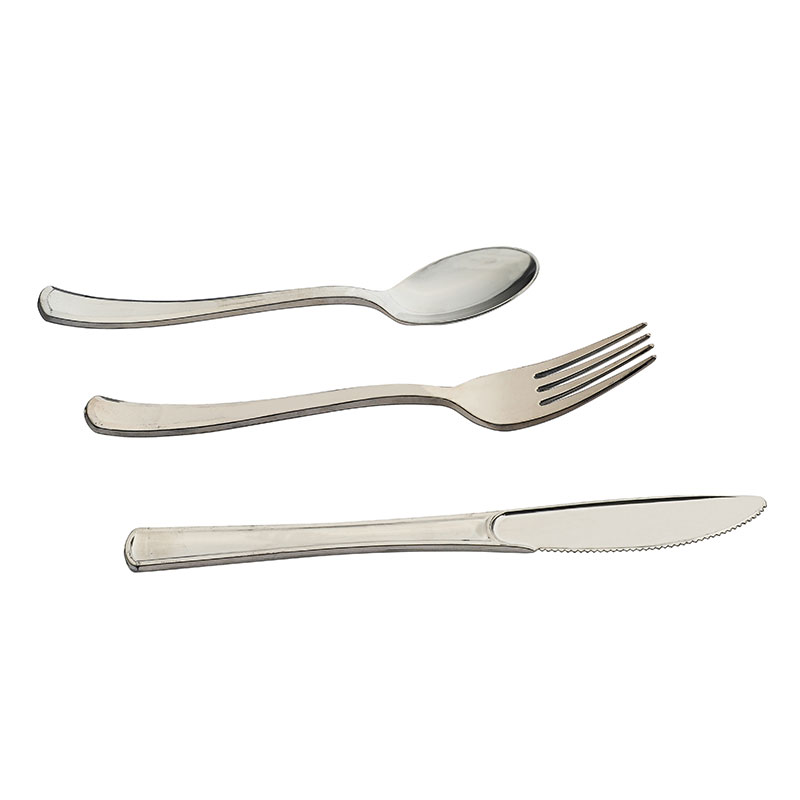
Plastic Cocked Cutlery is a category of disposable tableware designed for convenient food serving and consumption in various settings. From restaurants and takeaway services to outdoor events and household use, plastic cutlery provides a lightweight and practical solution for situations where reusable utensils are not convenient. With the growth of food delivery, catering services, and fast-paced lifestyles, disposable plastic cutlery continues to play an important role in modern food service operations.
Why Is Plastic Cutlery Widely Used?
Convenient for Food Service
Plastic cutlery eliminates the need for washing and maintenance, making it suitable for restaurants, catering companies, and takeaway businesses.
Lightweight and Easy to Transport
The low weight of plastic utensils makes them easy to package, store, and distribute, especially for large-scale food service operations.
Maintains Hygiene Standards
Individually packed or disposable cutlery helps reduce the risk of contamination compared with shared reusable utensils in certain environments.
Suitable for Various Occasions
Plastic cutlery is commonly used at parties, picnics, offices, schools, and outdoor activities where carrying reusable tableware may not be practical.
Types of Plastic Cutlery
Plastic Forks
Plastic forks are designed for foods that require piercing or picking, such as salads, desserts, pasta, and ready-to-eat meals.
Plastic Spoons
Plastic spoons are commonly used for soups, yogurt, ice cream, desserts, and other foods with liquid or soft textures.
Plastic Knives
Plastic knives are mainly used for cutting softer foods such as cakes, sandwiches, and prepared meals.
Heavy-Duty Plastic Cutlery
Heavy-duty designs use thicker plastic structures to provide better strength for heavier foods and longer usage periods.
Materials Used for Plastic Cutlery
The material choice affects the strength, appearance, heat resistance, and application range of plastic cutlery.
| Material | Characteristics |
|---|---|
| Polypropylene (PP) | Good flexibility, heat resistance, and commonly used for food contact products |
| Polystyrene (PS) | Rigid structure, smooth surface, and suitable for lightweight utensils |
| Biodegradable Plastics | Designed for applications requiring reduced environmental impact |
| Recycled Plastic Materials | Used in some products to improve material utilization |
How Is Plastic Cutlery Manufactured?
Plastic Material Preparation
Plastic raw materials are prepared and processed into suitable forms for molding production.
Injection Molding Process
The heated plastic material is injected into precision molds that shape the forks, spoons, knives, or other utensils.
Cooling and Demolding
After forming, the products are cooled and removed from the molds.
Quality Inspection and Packaging
Finished cutlery is checked for appearance, strength, and cleanliness before packaging for distribution.
Applications of Plastic Cutlery
Restaurants and Takeaway Services
Food businesses use disposable plastic utensils for takeaway meals, delivery orders, and quick-service dining.
Catering Events
Large gatherings, conferences, and celebrations often use plastic cutlery because it simplifies preparation and cleanup.
Outdoor Activities
Camping, picnics, and travel situations benefit from lightweight disposable utensils that are easy to carry.
Institutional Use
Schools, hospitals, and workplaces may use disposable cutlery for specific food service requirements.
Important Factors When Choosing Plastic Cutlery
Material Safety
Food-contact plastic products should use suitable materials that comply with applicable safety requirements.
Strength and Durability
The thickness and design of the utensil affect its ability to handle different types of food.
Size and Design
Different applications may require different lengths, shapes, and packaging options.
Heat Resistance
For hot foods, selecting cutlery with suitable temperature resistance helps maintain performance during use.
Environmental Considerations of Plastic Cutlery
Material Innovation
Manufacturers are developing alternative materials and improved designs to reduce environmental impact.
Recycling and Waste Management
Proper waste sorting and recycling practices can help improve the overall sustainability of disposable products.
Reusable Alternatives
In some applications, reusable utensils may be considered to reduce single-use consumption.
Common Problems with Plastic Cutlery
Breaking During Use
Low-strength materials or unsuitable designs may cause utensils to crack or break when used with harder foods.
Heat Deformation
Some plastic materials may soften when exposed to high temperatures beyond their designed limits.
Packaging Damage
Improper storage or transportation may affect the cleanliness and appearance of packaged cutlery.
Frequently Asked Questions About Plastic Cutlery
What types of plastic are used for cutlery?
Common materials include polypropylene, polystyrene, biodegradable plastics, and recycled plastic materials.
Can plastic cutlery be used for hot food?
Some plastic cutlery is designed for hot food applications, depending on the material and product specifications.
Where is disposable plastic cutlery commonly used?
It is widely used in restaurants, catering, takeaway services, outdoor events, and institutional food service.
Is plastic cutlery recyclable?
Recyclability depends on the material type, local recycling systems, and waste management practices.
Final Thoughts
Plastic Cocked Cutlery provides a convenient solution for modern food service needs, offering lightweight design, easy handling, and practical usage in many environments.
By understanding different materials, manufacturing processes, and application requirements, businesses can select suitable plastic cutlery products for their specific food service needs.